
IABSE Congress 202320-22 September 2023 | New Delhi, IndiaEngineering for Sustainable Development |
IABSE Congress 202320-22 September 2023 | New Delhi, IndiaEngineering for Sustainable Development |
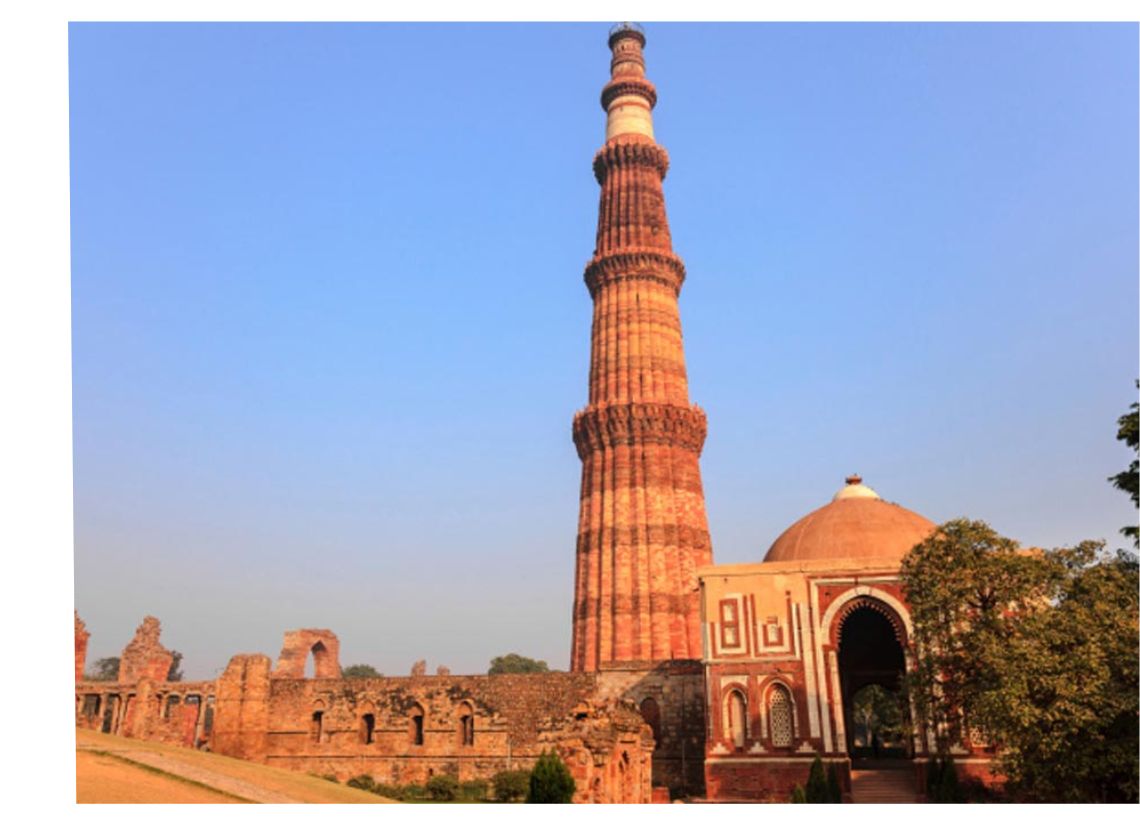 Qutub Minar -
The Qutub Minar complex is located in Mehrauli. Qutub Minar, the tallest stone tower in India, is a remarkable testament to Islamic culture. This tower stands at a height of 72.5 meters and dates back to the 13th century. Adjacent to it is the Quwwat-ul-Islam mosque, the first-ever mosque constructed in India. Additionally, a renowned iron pillar from the 5th century stands before the mosque, which has remarkably remained rust-free for over 1500 years!
Qutub Minar -
The Qutub Minar complex is located in Mehrauli. Qutub Minar, the tallest stone tower in India, is a remarkable testament to Islamic culture. This tower stands at a height of 72.5 meters and dates back to the 13th century. Adjacent to it is the Quwwat-ul-Islam mosque, the first-ever mosque constructed in India. Additionally, a renowned iron pillar from the 5th century stands before the mosque, which has remarkably remained rust-free for over 1500 years!
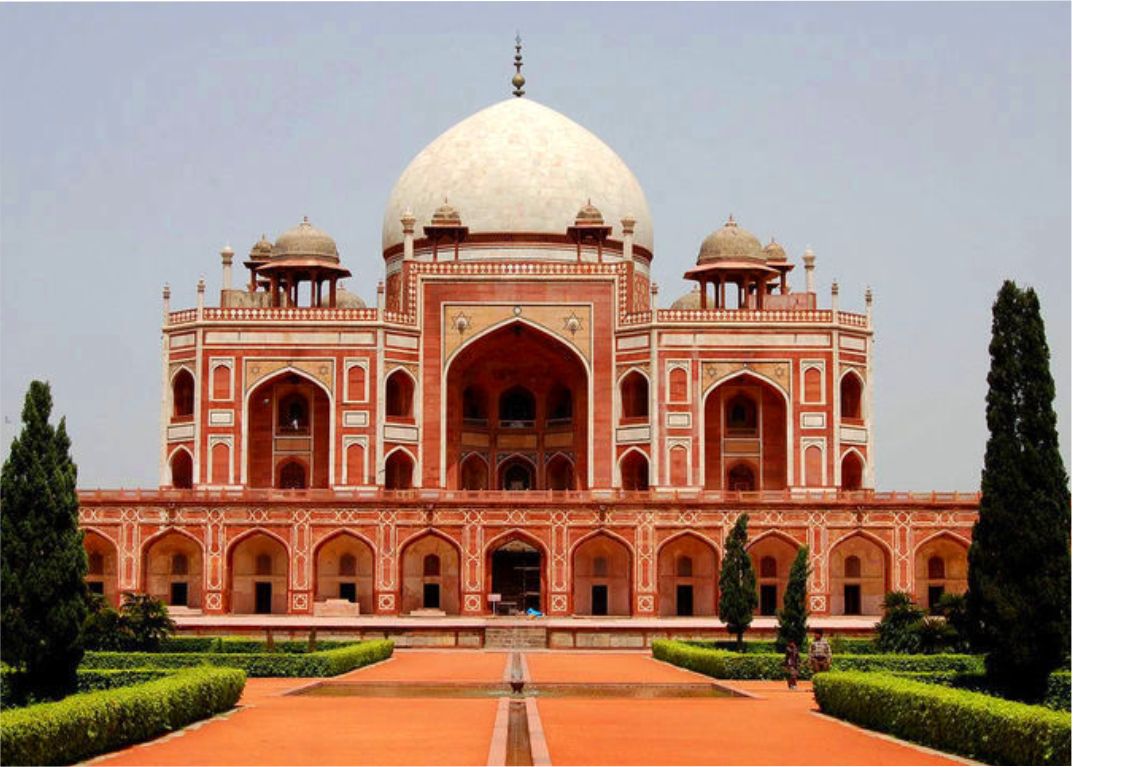 Humayun’s Tomb - A UNESCO World Heritage monument, was built by the widow of the second Mughal Emperor, Humayun. It stands as an exceptional example of Indo-Persian architecture and serves as a precursor to the Taj Mahal.
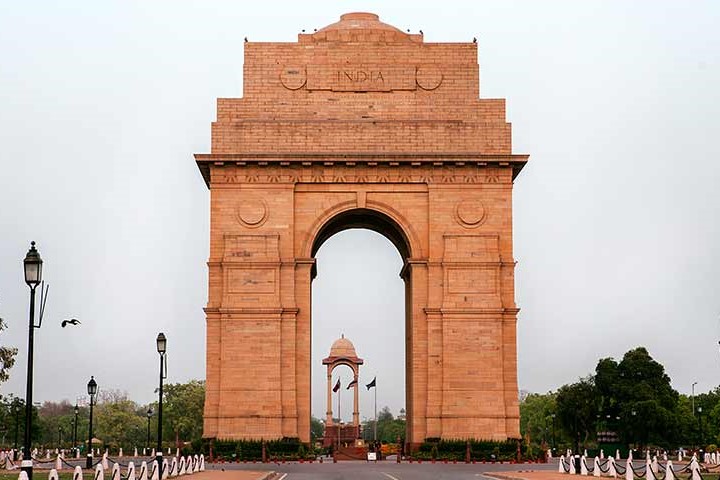 Drive past India Gate and the President's House - India Gate is a war memorial dedicated to Indian soldiers who died during World War I. The eternal flame, fueled by gas, serves as a tribute to the soldiers who lost their lives in the service of the nation. The President's House is a heritage building where the President of India resides.
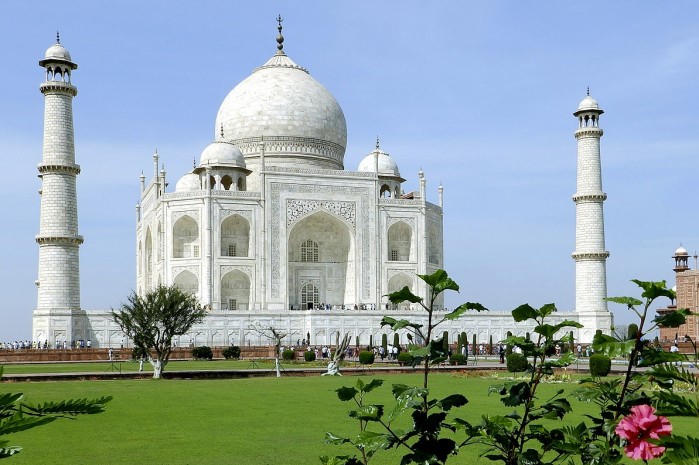 1100 - 1230 hrs : Upon arrival in Agra, visit Taj Mahal - world famous marble mausoleum built by Emperor Shah Jehan in the ever lasting memory of his beloved wife Mumtaz Mahal, It is widely considered as one of the most beautiful buildings in the world and stands as a symbol of eternal love. Taj Mahal is the finest example of Mughal architecture, a style that combines elements from Persian, Islamic and Indian architectural styles. In 1983, the Taj Mahal became a UNESCO World Heritage Site.
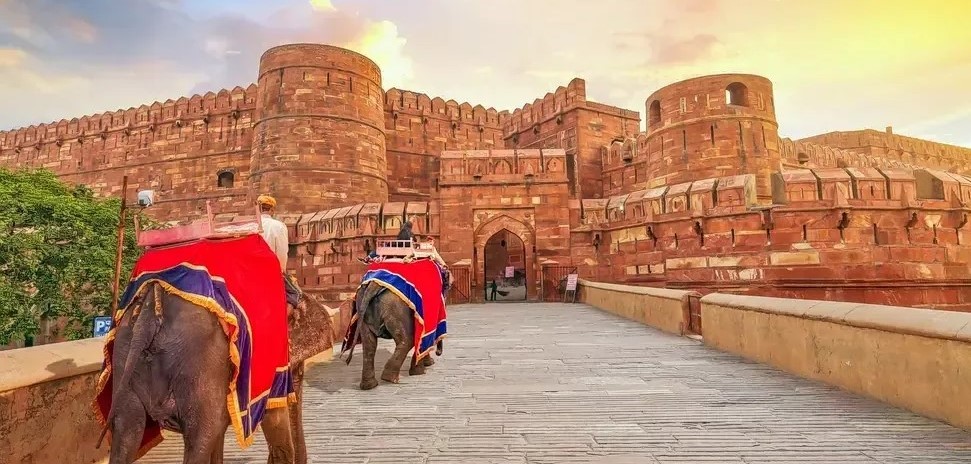
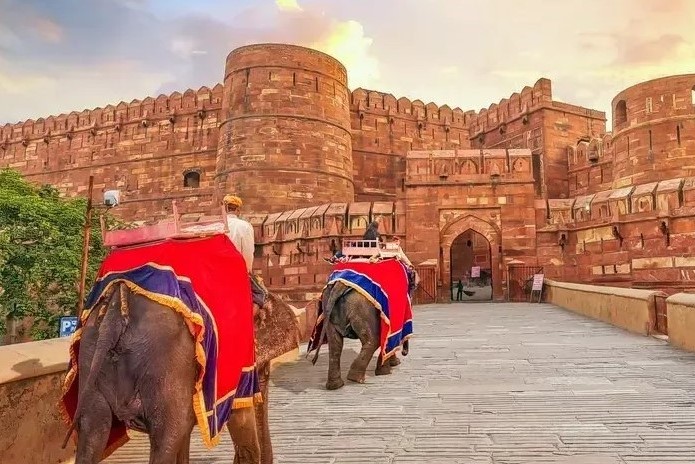 1415 - 1500 hrs : Visit Agra Fort which is a huge monument of red sandstone that dominate a bend in the river Yamuna, 2 km northwest of Taj Mahal was build by the Mughal during 1565-1571. The fort contains wonderful mosques and palaces in red sandstone and white marble erected by two generations of inventive builders during the time of Akbar and afterward Jehangir and Shahjahan.
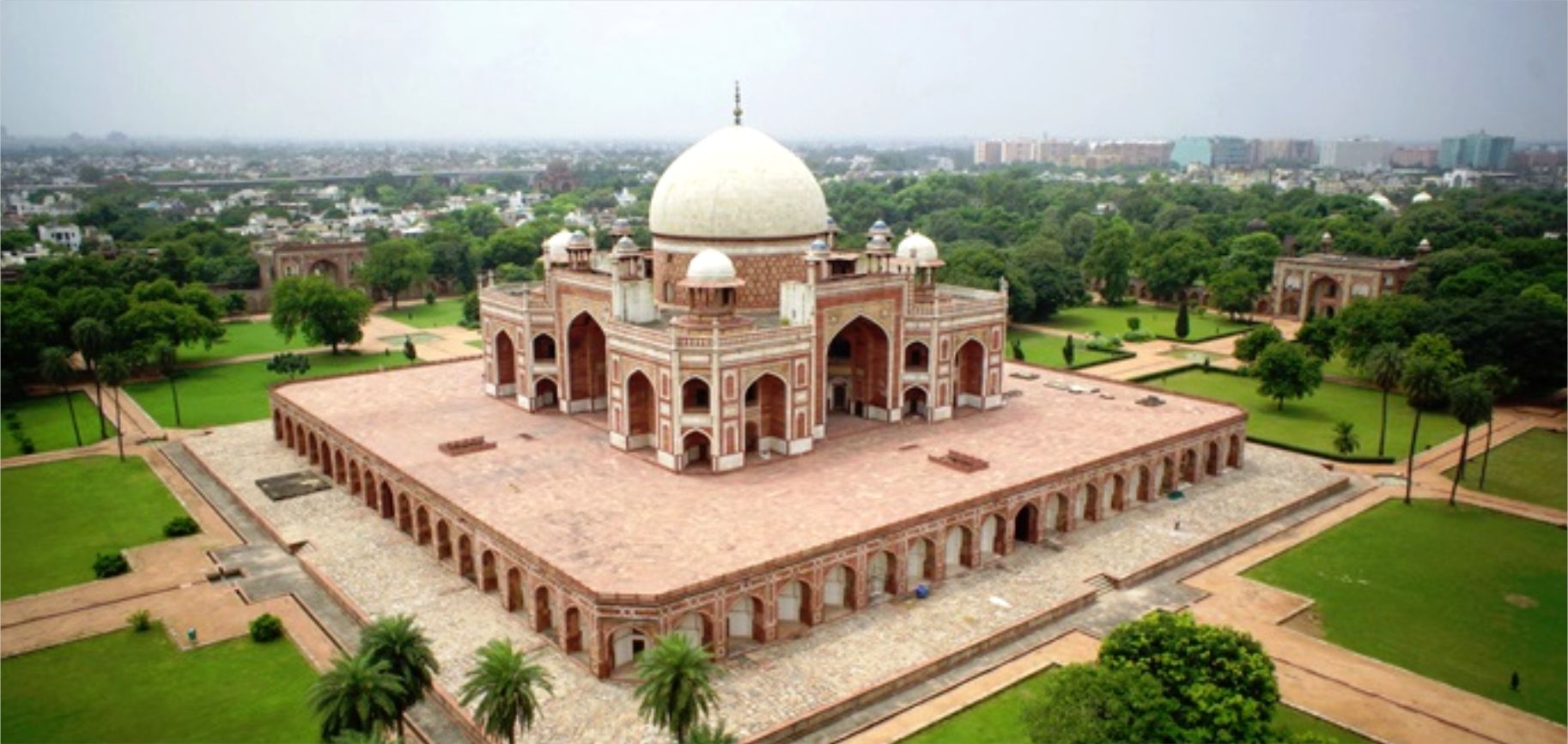
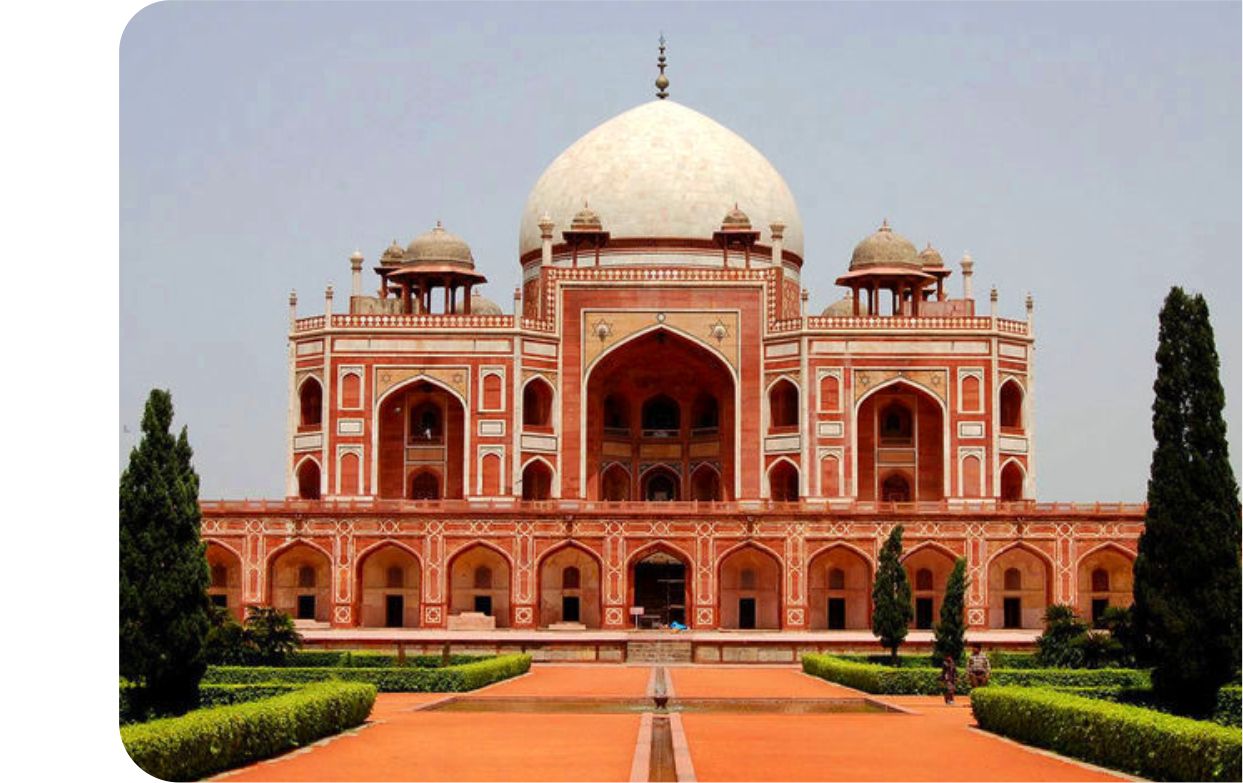 Visit: The architectural marvels of Mughal Delhi – Humayun’s Tomb & Qutub Minar
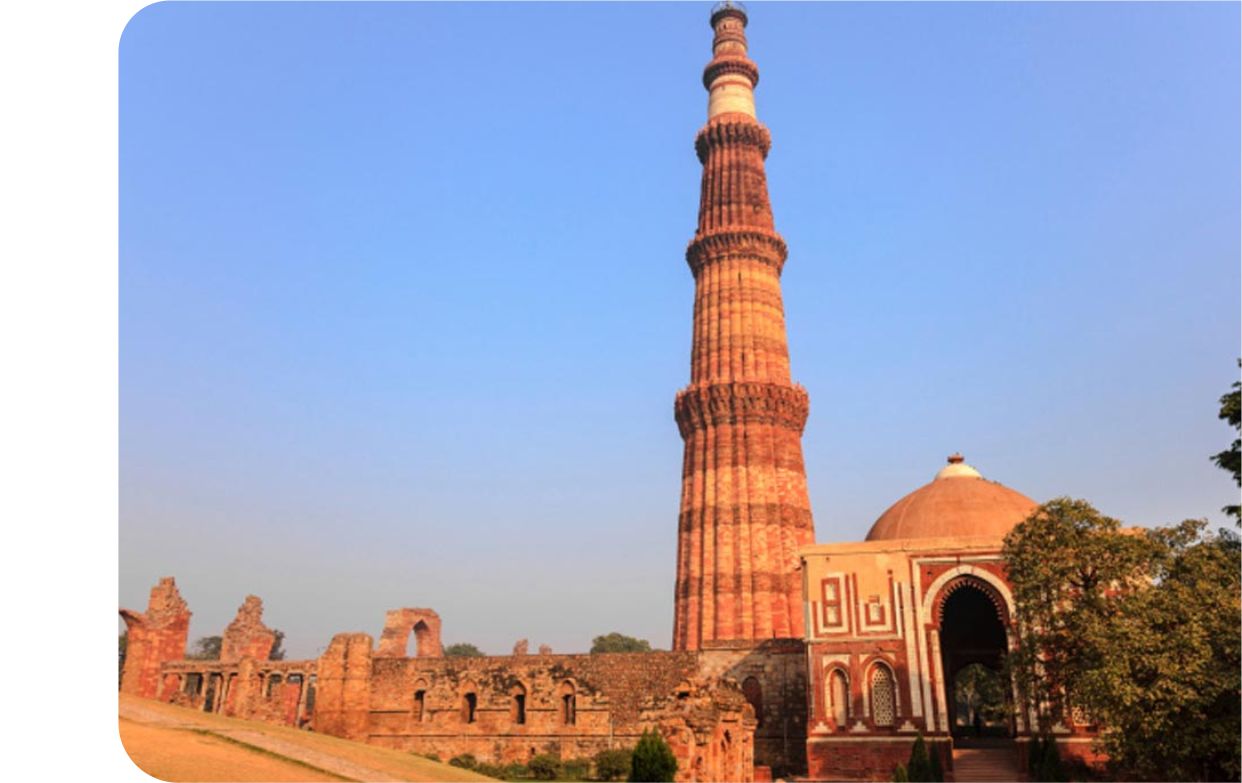 Visit Qutub Minar complex at Mehrauli. Qutub Minar is the tallest stone tower in India and one of the greatest bequests of Islamic culture. This 72.5 metre high tower dates back to the 13th century. It was started by Qutub-ud-din Aibak in 1199. At its base lies the Quwwat-ul-Islam mosque, the very first mosque to be built in India. A famous iron pillar of the 5th century stands before it that has remained rust free for 1500 years!
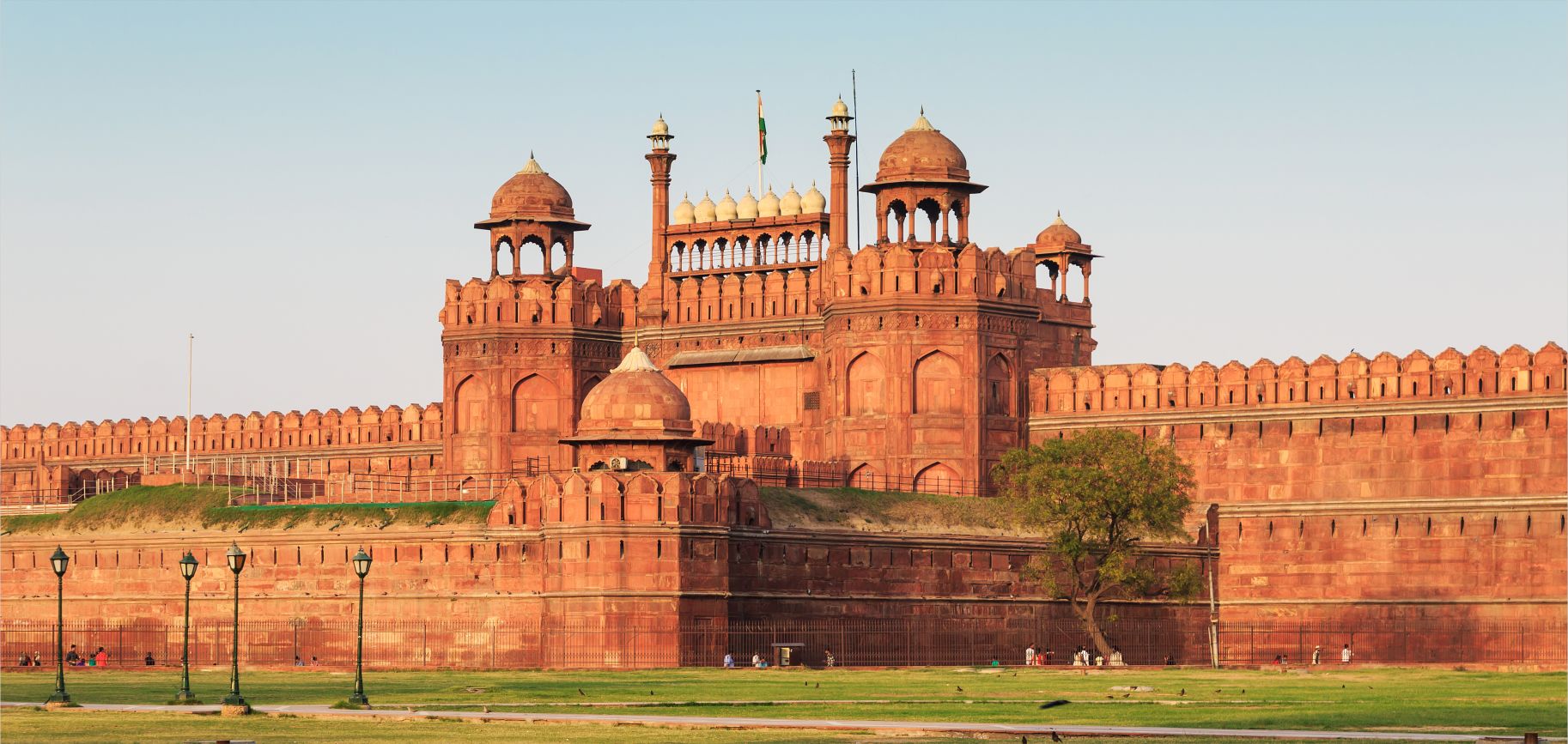
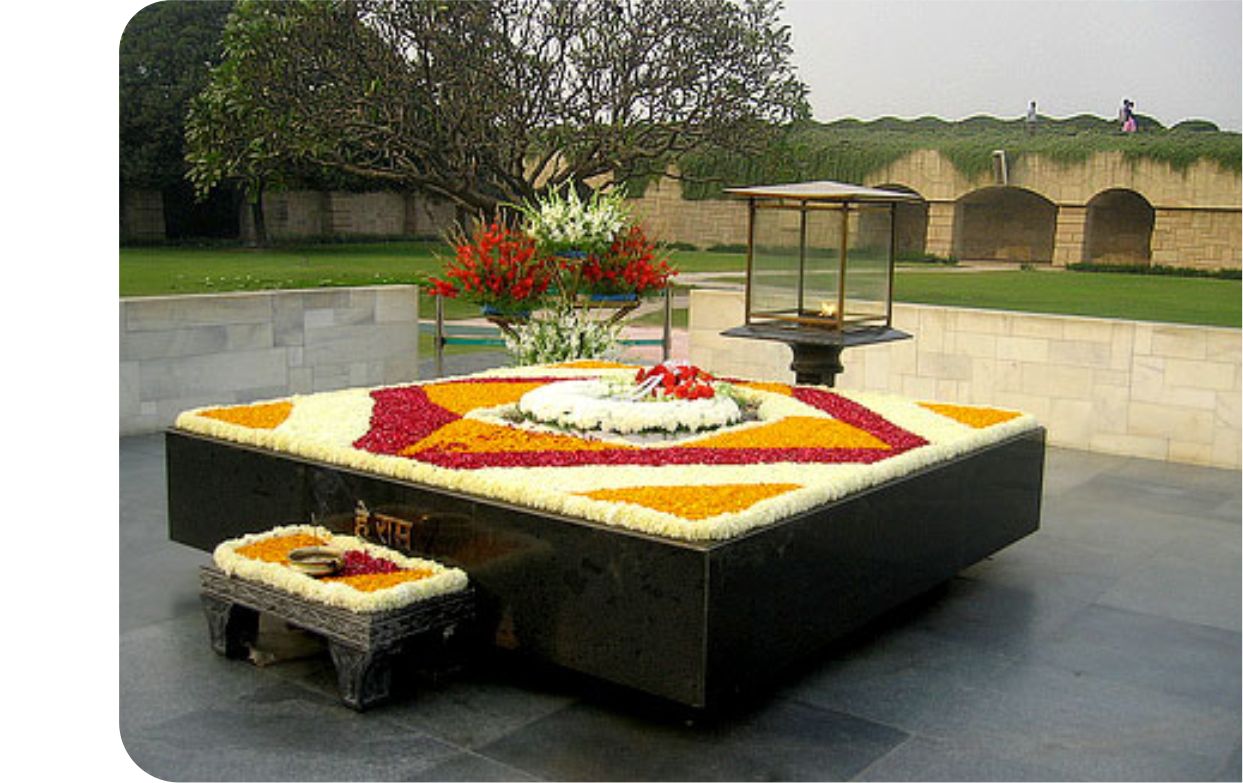 Visit: Raj Ghat, Jama Mosque and architectural marvel of Mughal Delhi – the Red Fort. Drive past President’s House, India Gate
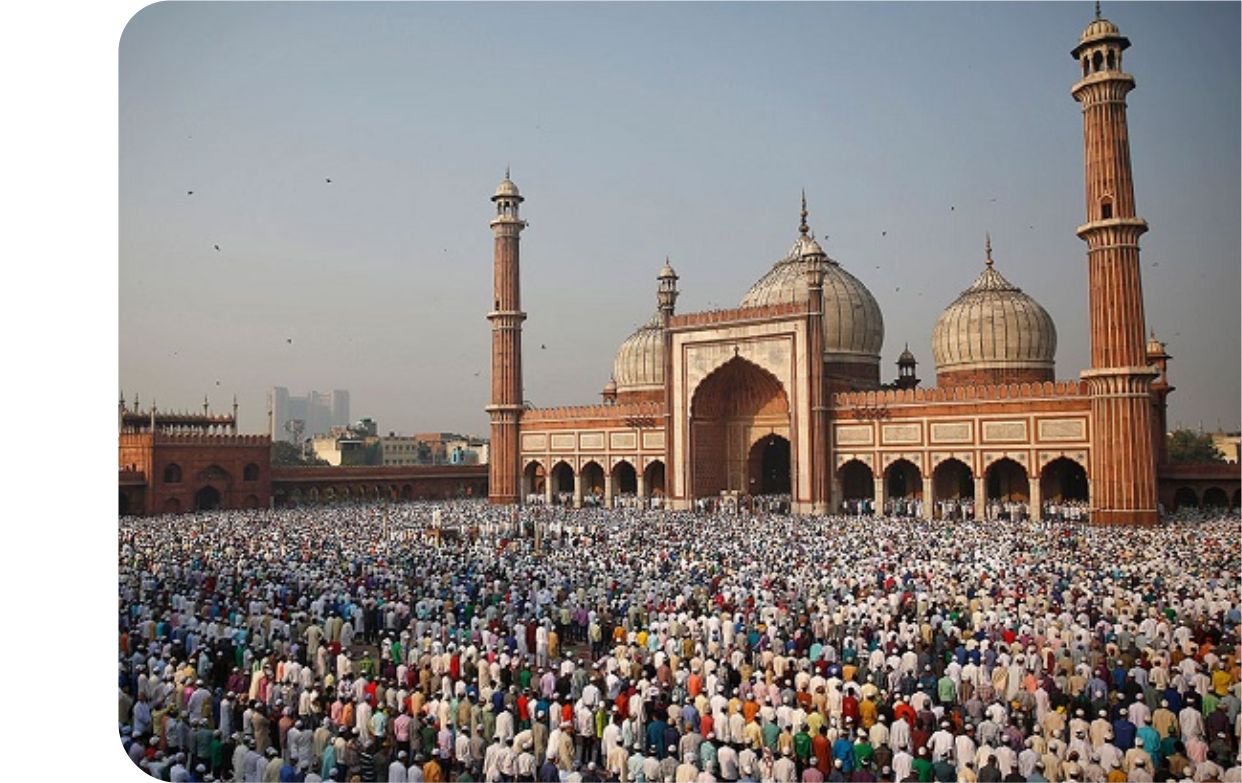 Jama Masjid: Commissioned by the Mughal Emperor Shah Jahan, builder of the Taj Mahal, and completed in the year 1628 AD, it is the largest and best-known mosque in India
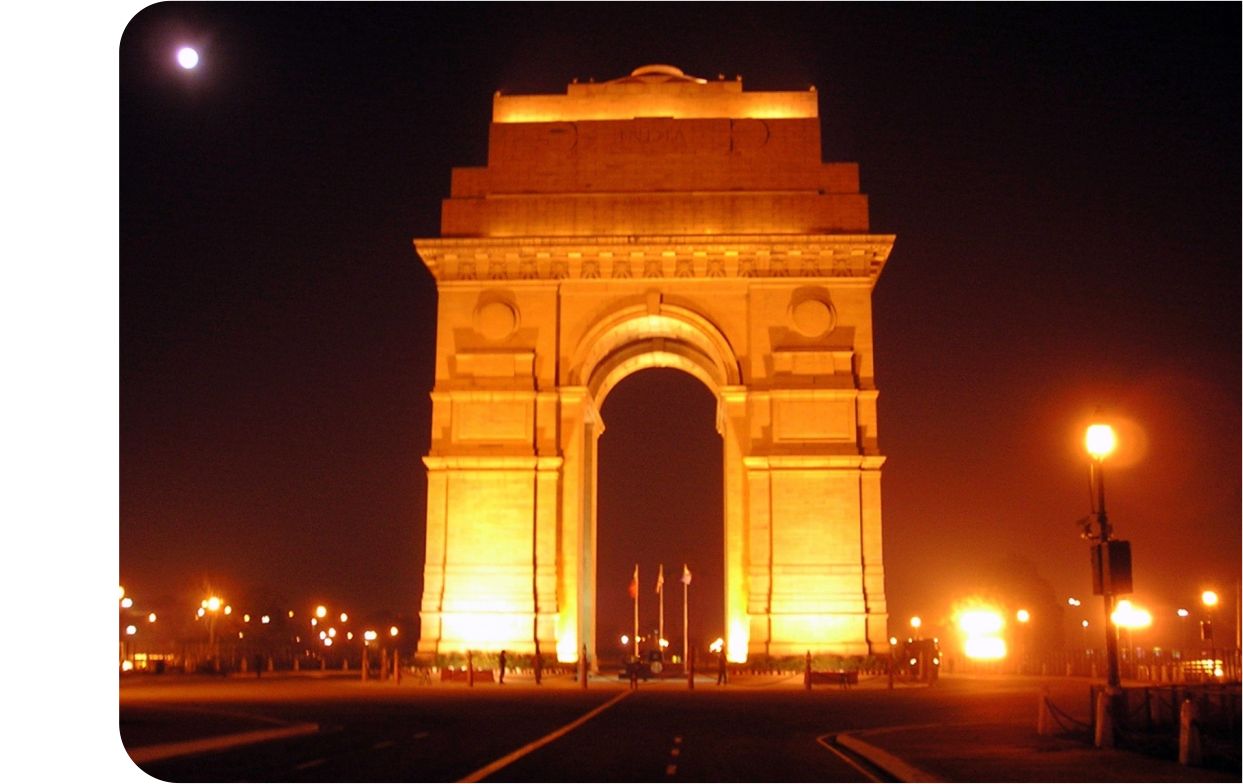 Drive past India Gate and Parliament House India Gate - the war memorial dedicated to Indian soldiers, who died during World War I. The name of many soldiers who died during World War I is inscribed on its wall. The eternal flame runs on gas and is a tribute to soldiers who lost their lives in the service of the nation.
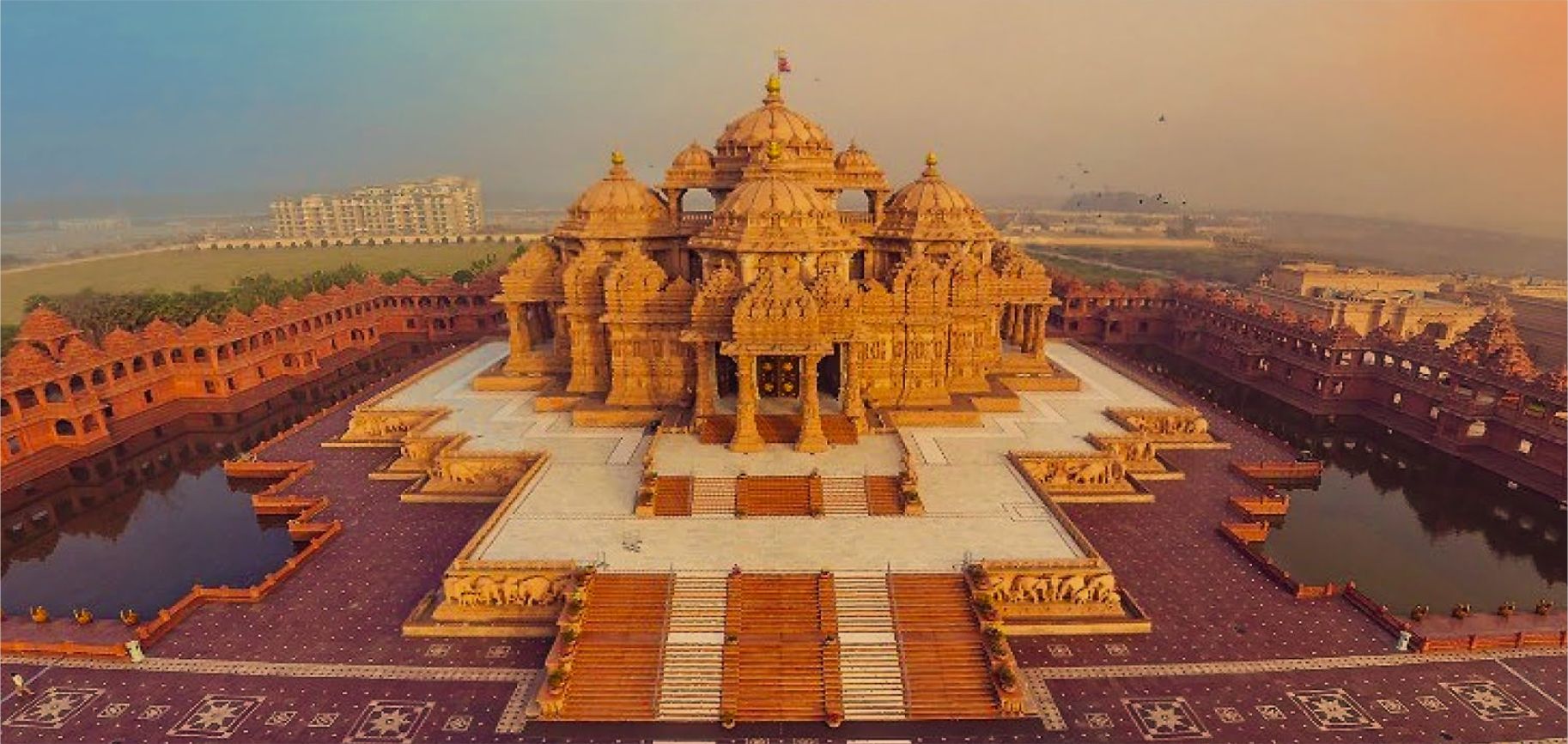
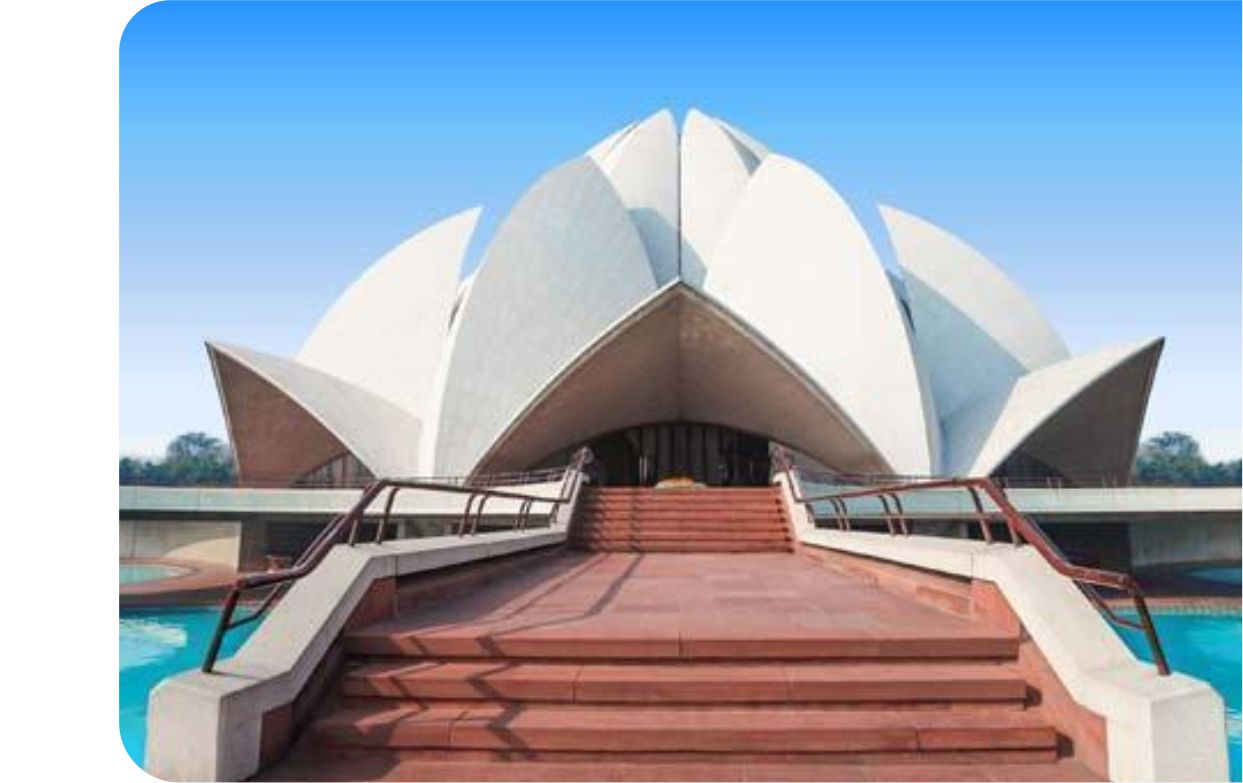 Visit: Lotus Temple & Akshardham Temple (On all days except Monday)
 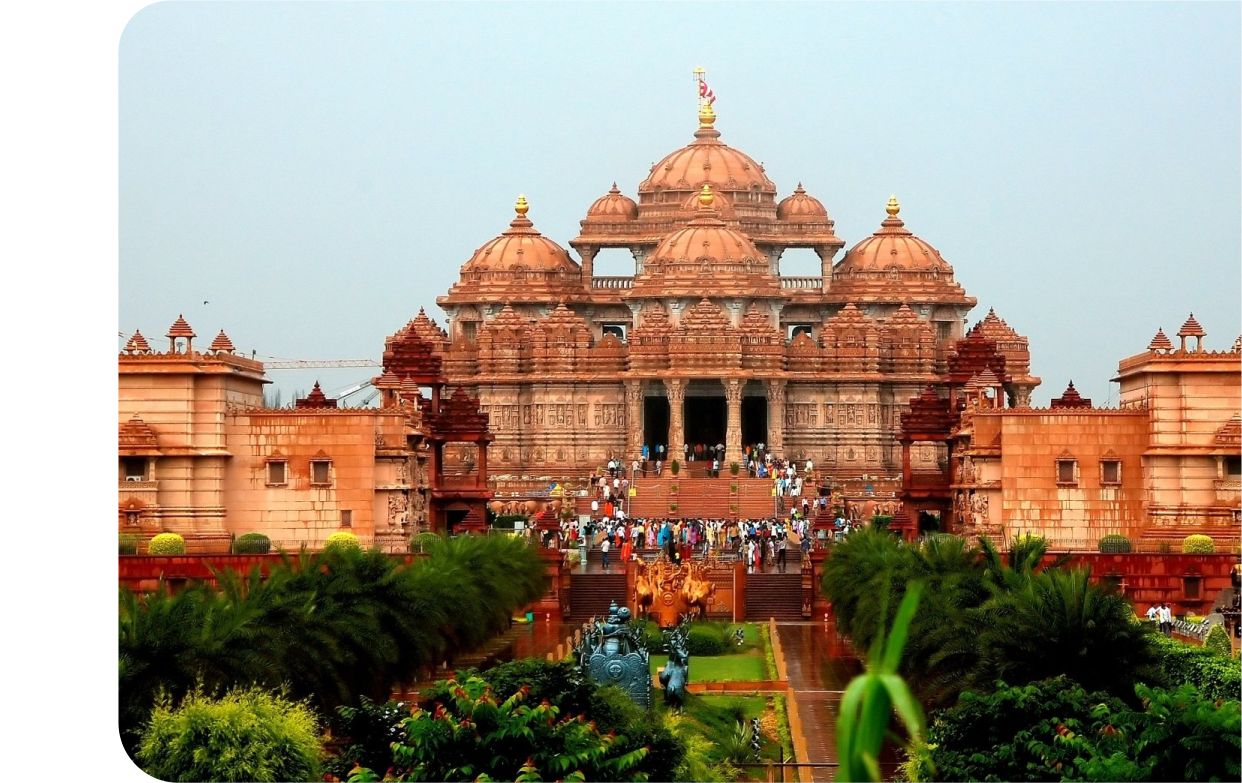 The Akshardham monument, built of sandstone and marble is one of the wonders of the modern India. It consists of 234 ornately carved pillars, 9 ornate domes, 20 quadrangled shikhars, a spectacular Gajendra Pith (plinth of stone elephants) and 20,000 murtis and statues of India's great sadhus, devotees, acharyas and divine personalities.The monument is a fusion of several architectural styles of pink stone and pure white marble. Pink stone symbolizes bhakti (devotion) in eternal bloom and white marble of absolute purity and eternal peace

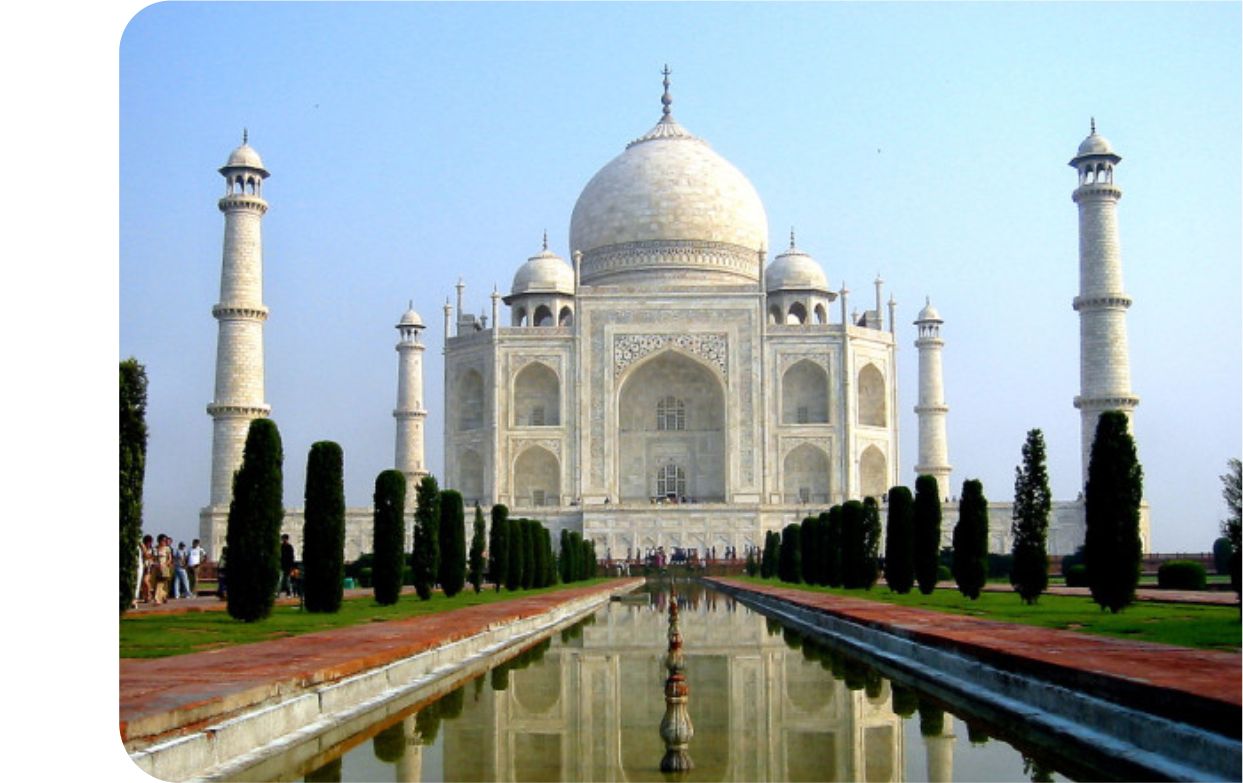 1100 - 1230 hrs : Upon arrival in Agra, visit Taj Mahal - world famous marble mausoleum built by Emperor Shah Jehan in the ever lasting memory of his beloved wife Mumtaz Mahal, It is widely considered as one of the most beautiful buildings in the world and stands as a symbol of eternal love. Taj Mahal is the finest example of Mughal architecture, a style that combines elements from Persian, Islamic and Indian architectural styles. In 1983, the Taj Mahal became a UNESCO World Heritage Site.
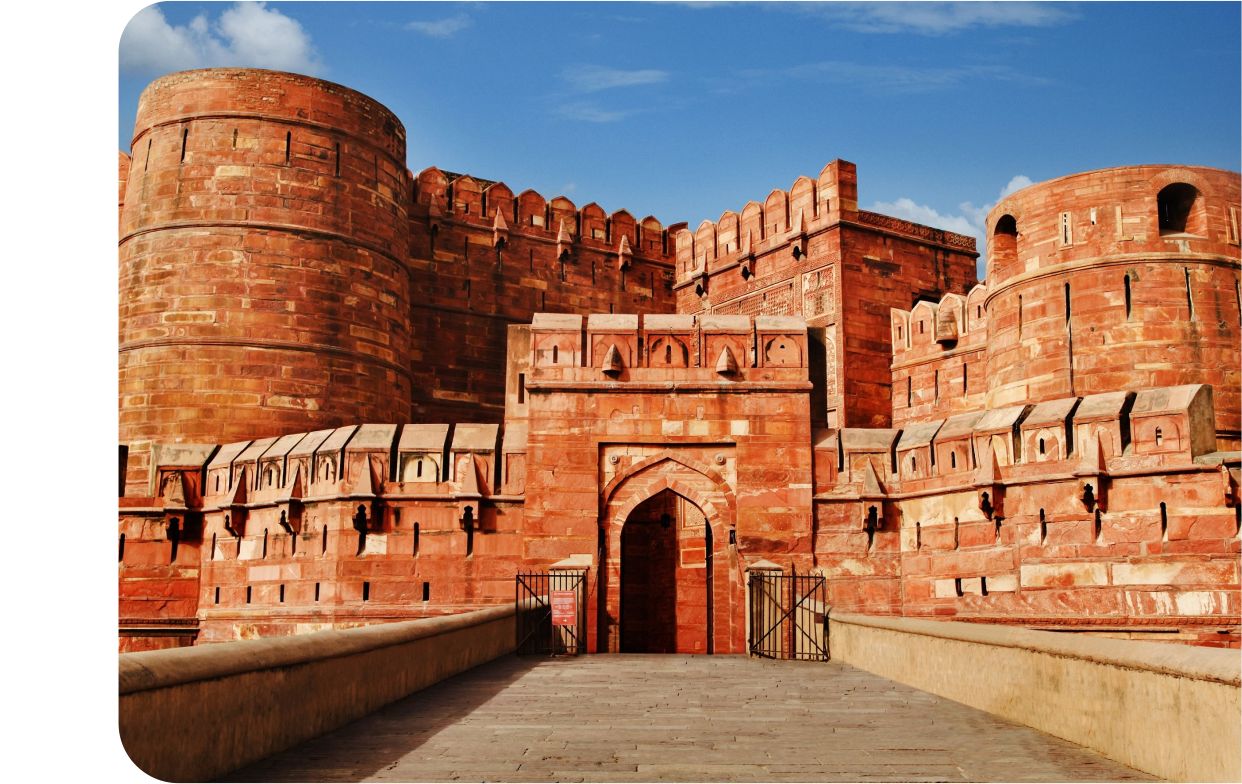 1415 - 1500 hrs : Visit Agra Fort which is a huge monument of red sandstone that dominate a bend in the river Yamuna, 2 km northwest of Taj Mahal was build by the Mughal during 1565-1571. The fort contains wonderful mosques and palaces in red sandstone and white marble erected by two generations of inventive builders during the time of Akbar and afterward Jehangir and Shahjahan.
 - Early morning drive to Agra
DAY 2 : Agra to Delhi
- Early morning drive to Agra
DAY 2 : Agra to Delhi
 - Drive to Jaipur
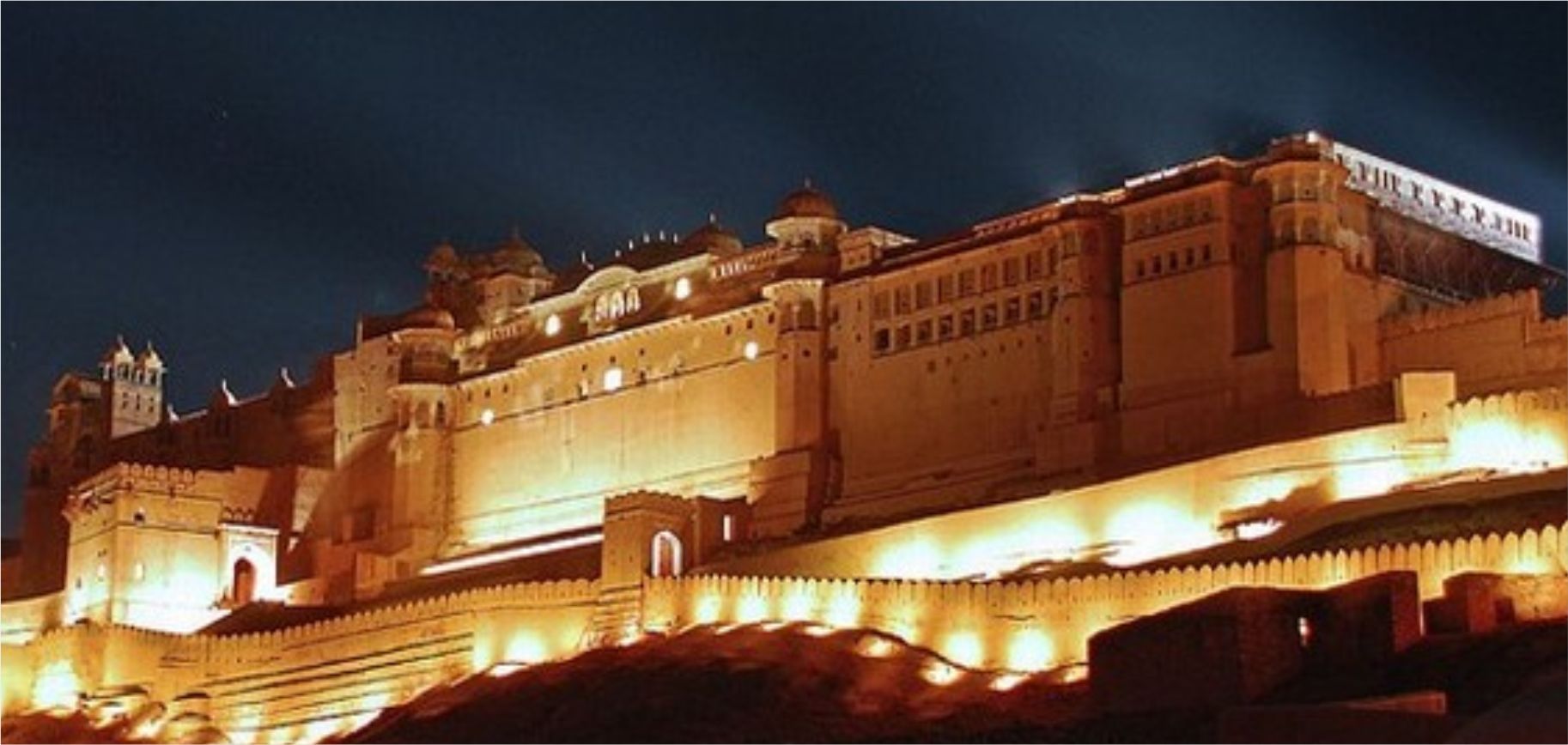
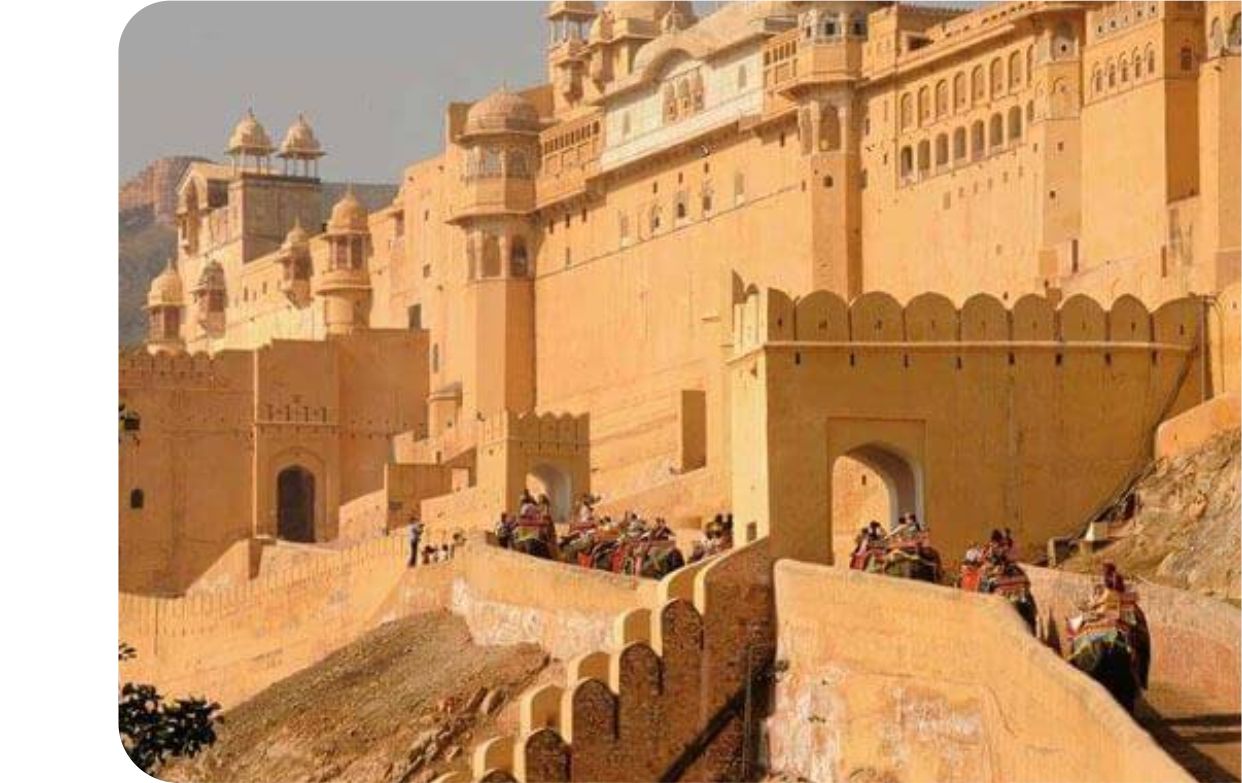 Early morning excursion to Amber fort situated at a distance of 11kms in the outskirts of the city is Amber Fort, the ancient capital of the State until 1728. Visit the Temple of Kali, the Hall of Victory or Jai Mahal and Jagmandir. You can have the unique experience of traveling on elephant back to and from the top of the hill on which the fort is situated. It has halls of Public and Private audience, a Sheesh Mahal (hall of mirrors) various marble palaces which are marvelous examples of ancient Rajput architecture. Ride an elephant to ascend the hill on which the Fort is situated.
(Subject to availability alternatively by Jeep)
Early morning excursion to Amber fort situated at a distance of 11kms in the outskirts of the city is Amber Fort, the ancient capital of the State until 1728. Visit the Temple of Kali, the Hall of Victory or Jai Mahal and Jagmandir. You can have the unique experience of traveling on elephant back to and from the top of the hill on which the fort is situated. It has halls of Public and Private audience, a Sheesh Mahal (hall of mirrors) various marble palaces which are marvelous examples of ancient Rajput architecture. Ride an elephant to ascend the hill on which the Fort is situated.
(Subject to availability alternatively by Jeep)
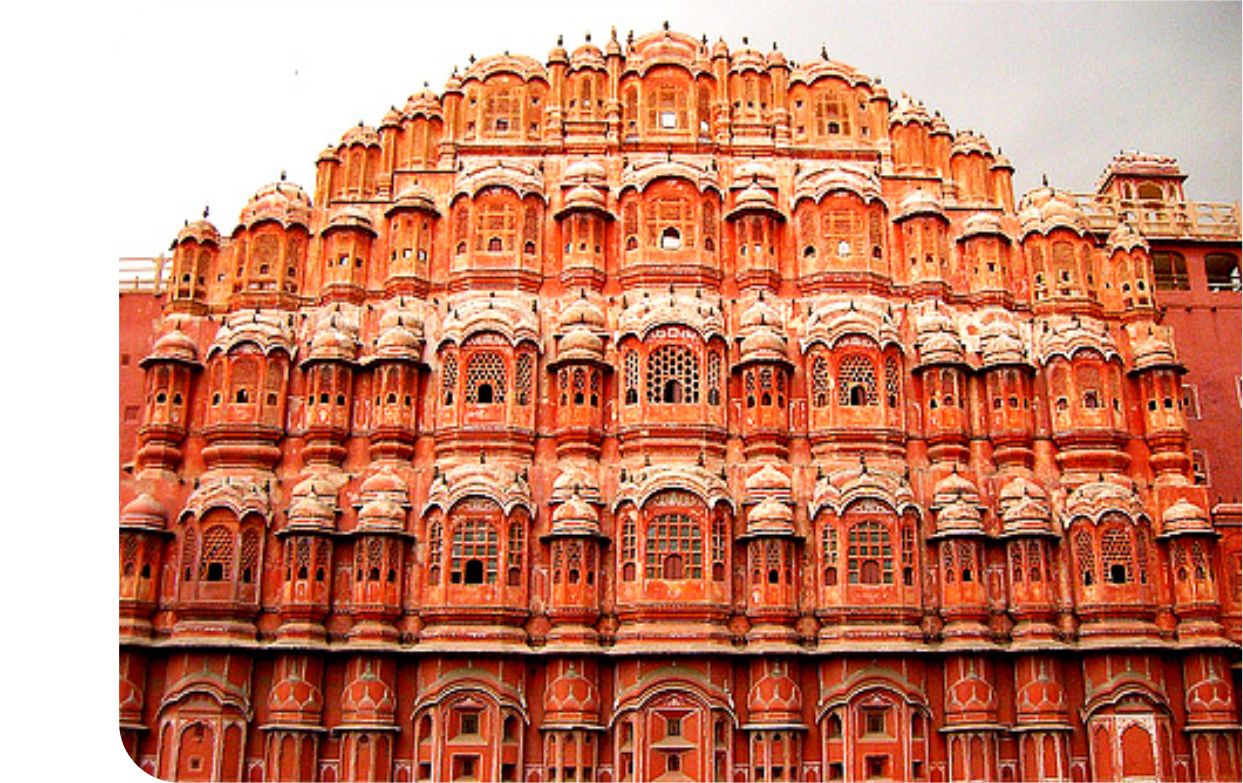
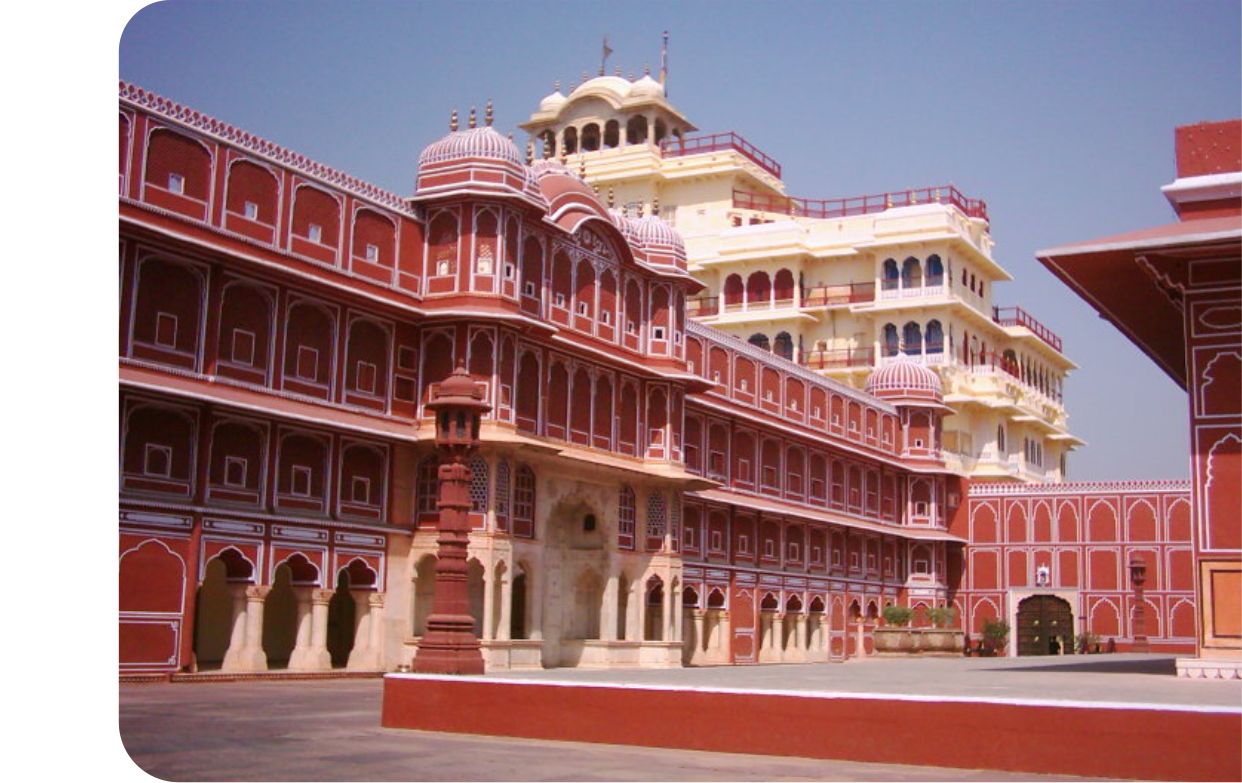 During your tour of the pink city, visit the City Palace the former royal residence built in a blend of the Rajasthani and Mughal styles which houses a museum with a superb collection of Rajasthani costumes and armoury of the Mughals and Rajputs, including swords of different shapes and sizes with ornate handles. Also visit the Jantar Mantar - an astrological and astronomical Observatory built by Maharaja Jai Singh in 18th century, which is remarkable for its accuracy even at the Present times. Lastly stop at Palace-of-Winds Hawa Mahal for taking pictures and spend time in crowded lanes & by lanes of pink city, haggling and souvenir-hunting.
 - Drive to Agra
Visit the Agra Fort built by three Mughal Emperors starting from Akbar the Great in 1565 AD, which is a masterpiece of design and construction. Within the fort are a number of exquisite buildings including the Moti Masjid, Jahangir's Palace, Khaas Mahal and the Sheesh Mahal, Diwane-i-Am, Diwane-i- Khas and Musamman Burj, where Emperor Shah Jahan, the fifth Mughal Emperor, died a prisoner.
- Drive to Agra
Visit the Agra Fort built by three Mughal Emperors starting from Akbar the Great in 1565 AD, which is a masterpiece of design and construction. Within the fort are a number of exquisite buildings including the Moti Masjid, Jahangir's Palace, Khaas Mahal and the Sheesh Mahal, Diwane-i-Am, Diwane-i- Khas and Musamman Burj, where Emperor Shah Jahan, the fifth Mughal Emperor, died a prisoner.  - Breakfast at hotel
Start your day with excursion to Amber fort situated at a distance of 11kms in the outskirts of the city is Amber Fort, the ancient capital of the State until 1728. Visit the Temple of Kali, the Hall of Victory or Jai Mahal and Jagmandir. You can have the unique experience of traveling on elephant back to and from the top of the hill on which the fort is situated. It has halls of Public and Private audience, a Sheesh Mahal (hall of mirrors) various marble palaces which are marvelous examples of ancient Rajput architecture. Ride an elephant to ascend the hill on which the Fort is situated. (Subject to availability alternatively by Jeep)
During your tour of the pink city, visit the City Palace the former royal residence built in a blend of the Rajasthani and Mughal styles which houses a museum with a superb collection of Rajasthani costumes and armoury of the Mughals and Rajputs, including swords of different shapes and sizes with ornate handles. It has an art gallery with an excellent collection of miniature paintings, carpets, royal paraphernalia and rare astronomical works in Arabic, Persian, Latin and Sanskrit. Also visit the Jantar Mantar - an astrological and astronomical Observatory built by Maharaja Jai Singh in 18th century, which is remarkable for its accuracy even at the Present times. Lastly stop at Palace-of-Winds Hawa Mahal for taking pictures and spend time in crowded lanes & by lanes of pink city, haggling and souvenir-hunting.
- Breakfast at hotel
Start your day with excursion to Amber fort situated at a distance of 11kms in the outskirts of the city is Amber Fort, the ancient capital of the State until 1728. Visit the Temple of Kali, the Hall of Victory or Jai Mahal and Jagmandir. You can have the unique experience of traveling on elephant back to and from the top of the hill on which the fort is situated. It has halls of Public and Private audience, a Sheesh Mahal (hall of mirrors) various marble palaces which are marvelous examples of ancient Rajput architecture. Ride an elephant to ascend the hill on which the Fort is situated. (Subject to availability alternatively by Jeep)
During your tour of the pink city, visit the City Palace the former royal residence built in a blend of the Rajasthani and Mughal styles which houses a museum with a superb collection of Rajasthani costumes and armoury of the Mughals and Rajputs, including swords of different shapes and sizes with ornate handles. It has an art gallery with an excellent collection of miniature paintings, carpets, royal paraphernalia and rare astronomical works in Arabic, Persian, Latin and Sanskrit. Also visit the Jantar Mantar - an astrological and astronomical Observatory built by Maharaja Jai Singh in 18th century, which is remarkable for its accuracy even at the Present times. Lastly stop at Palace-of-Winds Hawa Mahal for taking pictures and spend time in crowded lanes & by lanes of pink city, haggling and souvenir-hunting.
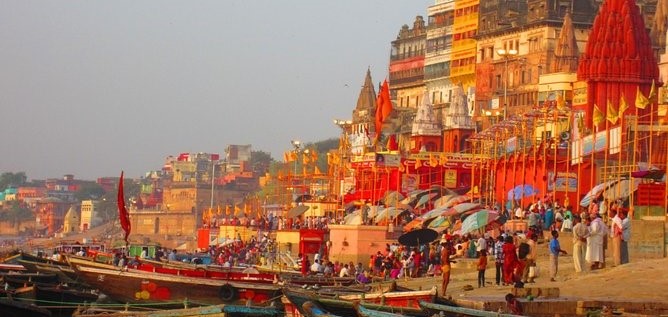
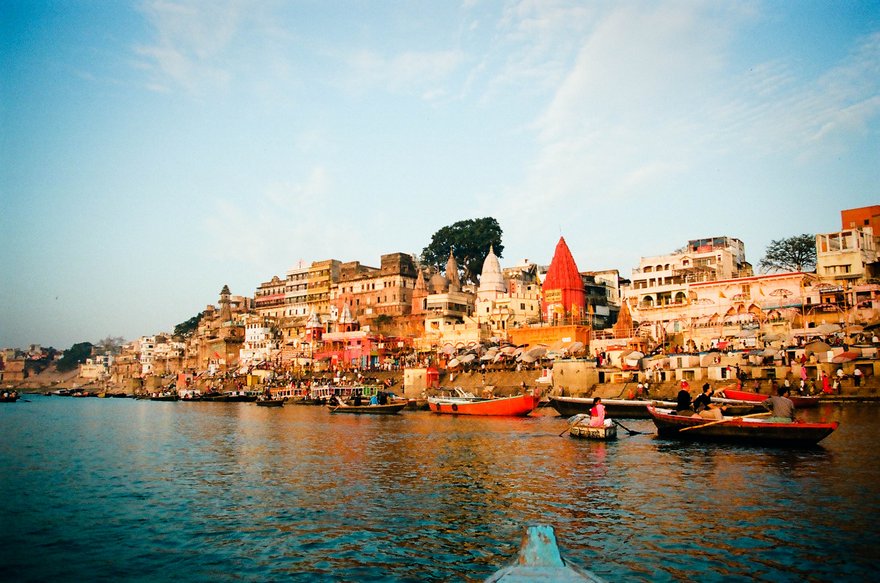 You will arrive at Varanasi Airport. Following baggage collection, our representative will meet you as you EXIT the ARRIVAL TERMINAL building after which you would be transferred to your hotel.
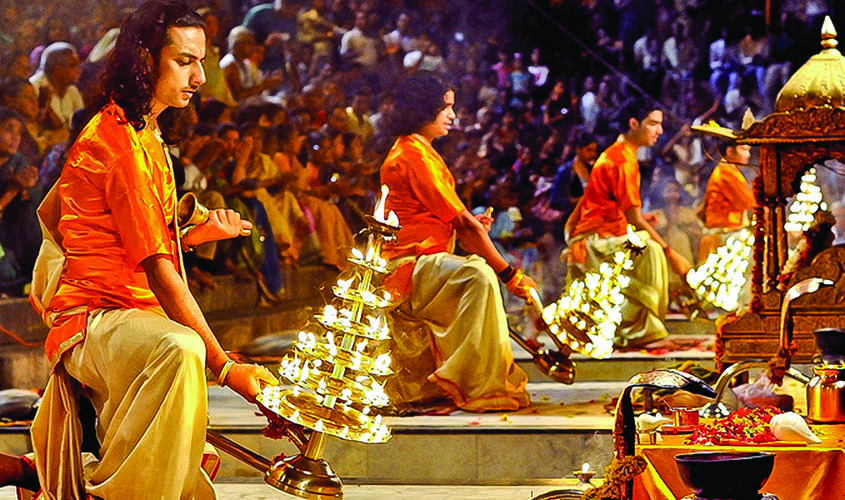 In evening visit Dashashwamedh Ghat to see the Evening Aarti (while sitting on a boat) which is a musical ceremony performed to Goddess Ganga (river). It is a spectacular sight where hundreds of devotees throng the ghats to participate in this ceremony to worship holy river Ganga. Offerings of tiny oil lamps and flowers are made to the river at the end of this ceremony and it is a moving sight to watch hundreds of miniature lamps floating along with the flow of the river.
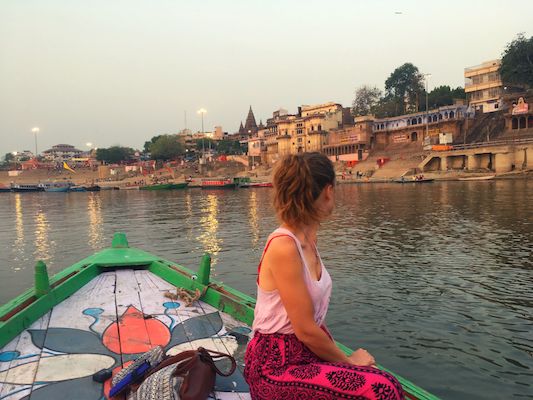
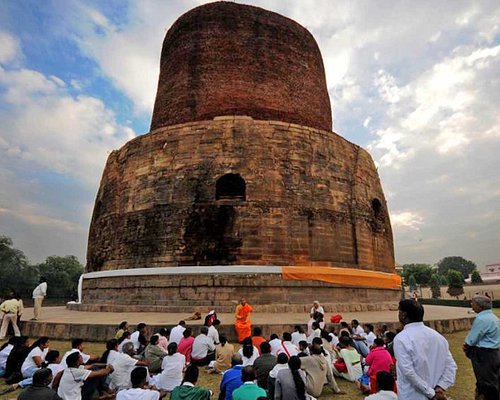 After achieving enlightenment at Bodhgaya, Buddha, the 'Awakened One', delivered his first sermon here.
It was the sixth century then, when he also set in motion the wheel of law, the Dharma-chakra. This dwelling place of the rishis, it was also known as 'Rishipatana' (the place of the Rishis or sages). Buddha gave his first sermon in the Deer Park where he initiated his first five disciples into Buddhist monkshood. Buddhism found its roots in Sarnath, the birthplace of this way of life.
After achieving enlightenment at Bodhgaya, Buddha, the 'Awakened One', delivered his first sermon here.
It was the sixth century then, when he also set in motion the wheel of law, the Dharma-chakra. This dwelling place of the rishis, it was also known as 'Rishipatana' (the place of the Rishis or sages). Buddha gave his first sermon in the Deer Park where he initiated his first five disciples into Buddhist monkshood. Buddhism found its roots in Sarnath, the birthplace of this way of life.
 In the evening take a walking tour through Northern Bazaars & Hidden Alleys. Few tourists ever wind their way through the bazaars in the Northern gallis of the old city where you will find hidden alleys leading directly through the sacred zone of Banaras to the oldest buildings of the city. As you enter the lanes of the Northern part of the city you will get to peep inside the shops, temples and lives of people who have never left their street for years.
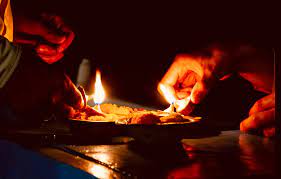 Option 1: Death and Rebirth Night Walk
 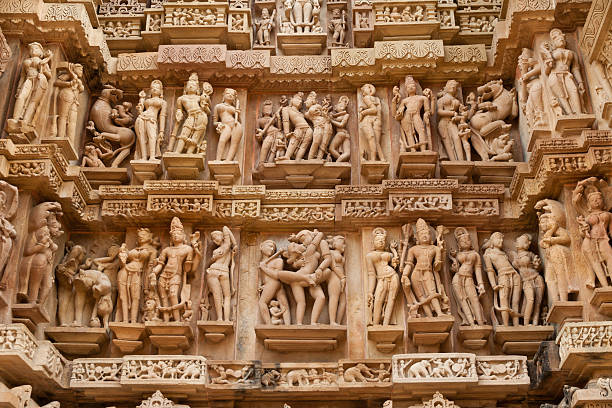 After breakfast, check-out from the hotel proceed for Khajuraho by road.
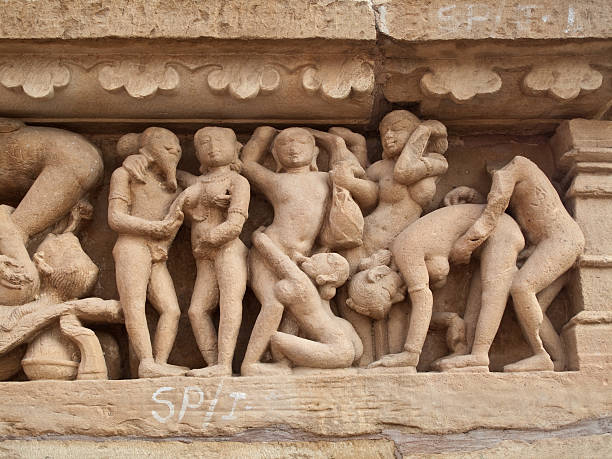 After breakfast proceed for the sightseeing of Khajuraho which include Western Group of Temples - the most important and fascinating western group of temples.
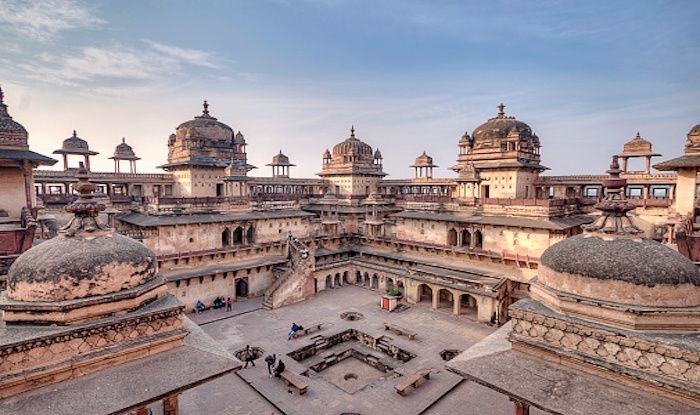 Morning after breakfast, get driven to Jhansi. Enroute visit Orchha.
Orchha - Tucked away near the beautiful Betwa River, this small town served as the ruling capital to one of the most powerful kingdoms of Central India. The medieval city of Orchha has retained its charm and has some magnificent Indo-Islamic architecture to display. Drive over to Orchha to discover how this hidden town behind the dense forests made a mark in the Indian history. Be amazed in her beauty while listening to her stories of triumph and fall.
Note : Taj Mahal remains closed on every Friday
Morning after breakfast, get driven to Jhansi. Enroute visit Orchha.
Orchha - Tucked away near the beautiful Betwa River, this small town served as the ruling capital to one of the most powerful kingdoms of Central India. The medieval city of Orchha has retained its charm and has some magnificent Indo-Islamic architecture to display. Drive over to Orchha to discover how this hidden town behind the dense forests made a mark in the Indian history. Be amazed in her beauty while listening to her stories of triumph and fall.
Note : Taj Mahal remains closed on every Friday
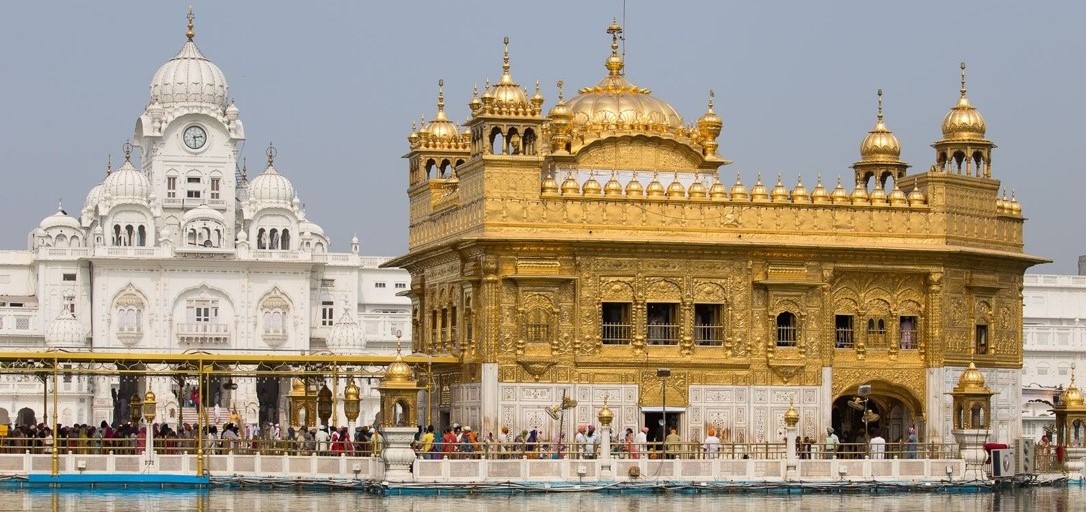
 • Pick up from your place of stay in Delhi
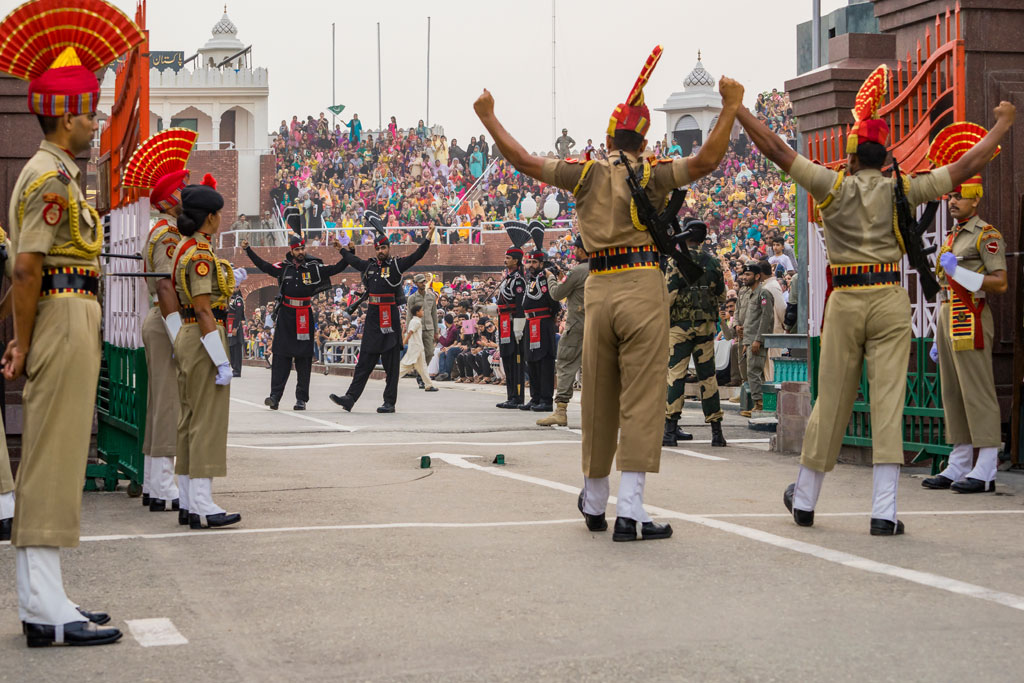
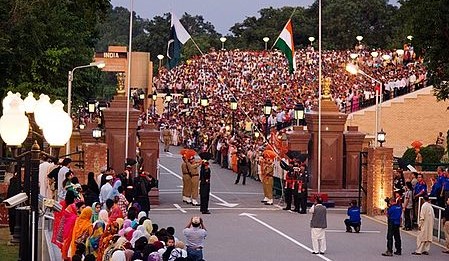 Later this afternoon, proceed to Wagah border to witness the flag ceremony at India & Pakistan Border - The final frontier, Wagah. Wagah Border is located at a distance of 28 kilometers from Amritsar. It is the only border crossing between India and Pakistan. It is an army outpost to protect & check intrusion from Pakistan and prevents any Indian from entering to Pakistan. At the border outpost, there is a complex of buildings, roads and barriers on both sides. At the entrance of this outpost, there is a sightseeing gate with an inscription "Swarna Jayanti “which means Golden Jubilee. From this a panoramic view of the landscape is seen. There are electrified fences with 66,000 volts of electric current. One can witness the "Beating the Retreat" ceremony performed by the soldiers in evening. Soldiers from both India and Pakistan perform a flag march. The flags of both the countries are brought down & then the gates between India and Pakistan are opened. Soldiers perform some drills and then the complex is illuminated.
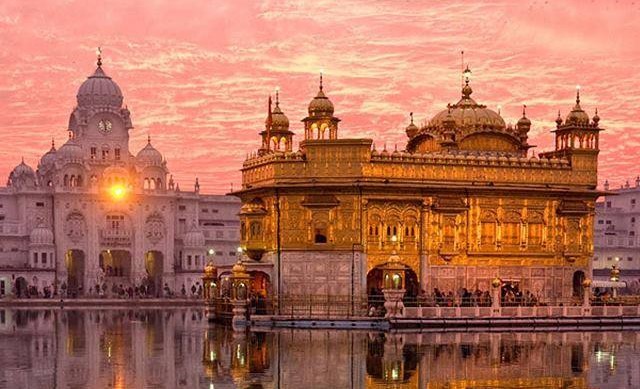
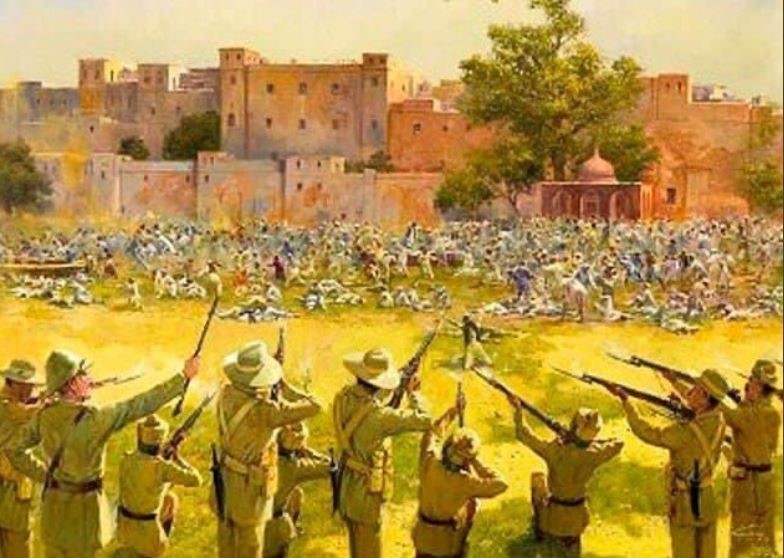 Also, visit Jallianwala Bagh: This place noted for its most notorious massacre under British rule. It is 400 meters north of the Golden Temple. The British General Dyer was the Lieutenant Governor of the province in 1919. He banned all meetings and demonstrations led by Indians against the economical set back by World War I. On 13 April 1919, pilgrims poured into Amritsar to celebrate the Baisakhi festival, a holiday in the Sikh calendar. In the afternoon thousands of people gathered at Jallianwala Bagh to celebrate the Baisakhi. This ground surrounded by high walls on all sides has only a narrow alley for access. General Dyer personally led the troops to the sight and ordered his men to open fire without any warning. It resulted in the death of 379 and injured more than 1200. India was outraged by Dyer´s massacre. Gandhiji, called for a nationwide strike and started the Non-cooperation Movement, which became an important milestone in the struggle for India´s Independence. Today this ground has been changed to a park and it has a pleasant garden. There is a narrow path between the houses which leads to the lawn of the park. At the entrance there is a memorial plaque which recounts the history. There is a well on the north side in which many people who tried to escape from the bullets were drowned, and remnants of walls have been preserved to show the bullet holes. At the east end of the garden there is a large memorial built in memory of those who died here.